
Miniature Horses for Sale
Looking for miniature horses for sale from a family farm in Georgia?
At Miniature Cattle & Animal Farm in Waleska, Georgia, we raise and offer miniature horses for families, hobby farms, homesteads, companion-animal homes, and buyers looking for well-cared-for miniature horses.
Our miniature horses receive regular handling and attentive care, including veterinary-guided vaccinations, targeted parasite management, professional farrier care, health monitoring, and preparation for life with their new owners.
We believe buying a miniature horse should be about more than finding a small horse you love. It is also about understanding the individual horse’s temperament, health, size, care requirements, background, and suitability for your home.
[LINK: Contact Us / Inquire About a Miniature Horse — INTERNAL]
Browse our available miniature horses below, learn about our health and care program, and contact us when you are ready to discuss an animal.
Available Miniature Horses
Our miniature horses are offered individually, with information available about each horse’s age, sex, color, size, personality, registration information when applicable, pedigree or parentage when available, health information, and current availability.
[LINK: Individual Miniature Horse Listings — INTERNAL, if you create separate pages]
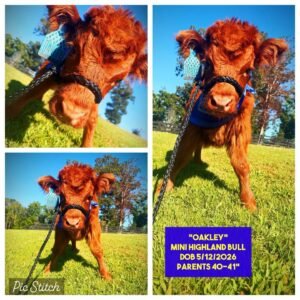
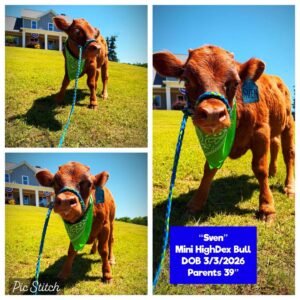
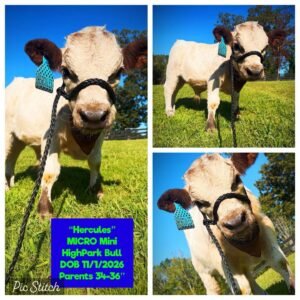
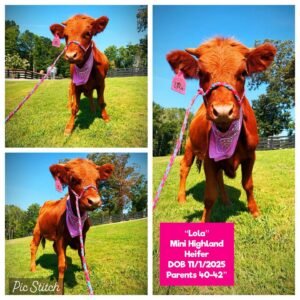
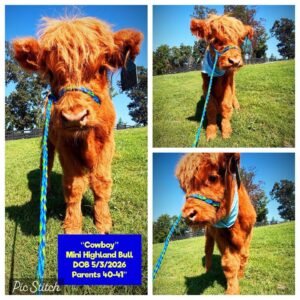
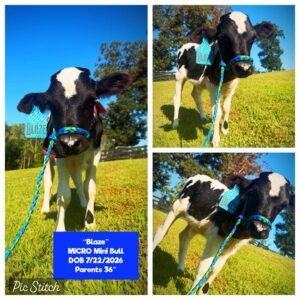
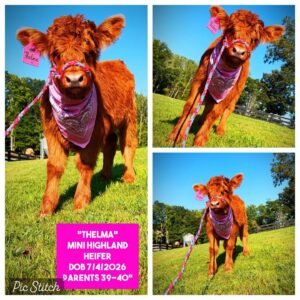
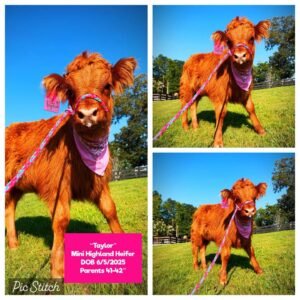
When viewing one of our miniature horses for sale, we recommend reviewing:
- Name
- Sex
- Date of birth or age
- Color and markings
- Current height
- Expected mature size when appropriate
- Registration information when applicable
- Sire and dam information when available
- Personality and temperament
- Handling and training
- Health and care information
- Current status
- Purchase price
Every horse is an individual. If you have questions about a particular miniature horse, contact us and we can discuss the animal in greater detail.
[LINK: Contact Us — INTERNAL]
Upcoming Miniature Horses
Additional miniature horses may become available as young horses mature or new animals enter our sales program.
If you are looking for a particular age, sex, color, size, temperament, or type of miniature horse, contact us to ask about current or upcoming availability.
[LINK: Contact Us / Ask About Upcoming Miniature Horses — INTERNAL]
Our Miniature Horses
We believe raising miniature horses involves much more than producing small horses.
Our goal is to provide animals that receive attentive care from birth and are accustomed to appropriate human interaction and routine handling.
Young miniature horses are introduced to handling early, including touch desensitization, halter work, leading, standing, hoof handling, and other age-appropriate skills.
As they mature, we continue building the practical manners that make veterinary visits, farrier appointments, transportation, and everyday care easier.
We also pay close attention to preventive health care, parasite management, hoof maintenance, vaccination, and veterinary oversight.
Why Choose Our Miniature Horses?
Choosing a miniature horse is a long-term commitment.
When comparing miniature horses for sale, look beyond photographs and color. Consider the animal’s temperament, conformation, health history, handling, background, and the quality of care provided by the breeder or farm.
At Miniature Cattle & Animal Farm, we focus on:
- Regular handling from a young age
- Veterinary-guided health care
- Core and risk-based vaccination
- Targeted parasite management
- Professional farrier care
- Early foal handling
- Health records
- Appropriate transportation documentation
- Individual animal information
- A written health guarantee
- Buyer education
- Support through the purchase and transportation process
Our goal is to help buyers choose a miniature horse that is appropriate for their situation rather than simply selling an animal.
[LINK: About Our Farm — INTERNAL]
How We Care for Our Miniature Horses
Our miniature horse health program combines preventive veterinary care, targeted parasite management, routine hoof care, early handling, and ongoing observation.
Foal Handling & Early Training
We begin handling miniature horse foals at an early age.
During the first weeks of life, our handling program focuses on helping foals become comfortable with appropriate human contact.
Weeks 1–4
Early handling may include:
- Imprint handling
- Touch desensitization
- Basic halter introduction
- Gentle handling of the face, ears, legs, and body
Weeks 5–12
As foals develop, we introduce age-appropriate groundwork such as:
- Pressure-and-release leading
- Stopping
- Basic standing
- Picking up feet
- Continued halter handling
- Familiarity with routine care
Weaning — Approximately 4–6 Months
As appropriate for the individual foal, we continue developing practical skills such as:
- Standing tied
- Trailer loading
- Cross-tie training
- Standing for the farrier
- Calm handling during routine care
The goal is not to rush training. We want young miniature horses to develop confidence and good habits while progressing at an appropriate pace.
Miniature Horse Vaccinations
Our vaccination program is managed under veterinary supervision.
Core Annual Vaccines
Our core annual vaccination program includes:
- Tetanus Toxoid
- Eastern Equine Encephalomyelitis (EEE)
- Western Equine Encephalomyelitis (WEE)
- West Nile Virus (WNV)
- Rabies
Risk-Based Vaccines
Depending on individual circumstances, exposure risk, travel, and veterinary recommendations, our program may also include:
- Equine Influenza
- Equine Herpesvirus (EHV-1/EHV-4)
Vaccination schedules may vary based on age, health status, risk factors, and veterinary recommendations.
[LINK: AAEP Equine Vaccination Guidelines — EXTERNAL AUTHORITY]
Full-Dose Vaccination
Miniature horses are still horses.
We use appropriate full-dose equine vaccines under veterinary supervision rather than reducing vaccine doses simply because a horse is miniature.
Pregnant Mare Vaccination
Pregnant miniature horse mares receive Pneumabort-K (EHV-1) at approximately:
- 5 months of gestation
- 7 months of gestation
- 9 months of gestation
Vaccination decisions are made under veterinary supervision and may be adjusted based on the individual mare and veterinary recommendations.
Deworming & Parasite Control
We do not rely on routine calendar-based deworming alone.
Instead, we use targeted parasite management based on fecal testing and individual need.
Fecal Egg Counts
Fecal Egg Counts (FEC) are performed approximately twice each year:
- Spring
- Fall
We use these results to identify moderate to high shedders and determine which horses require treatment.
This targeted approach helps avoid unnecessary deworming while allowing us to focus treatment where it is needed.
Encysted Larvae Treatment
We administer a late-fall or winter treatment with moxidectin or ivermectin as part of our parasite-control program.
Pasture & Paddock Management
Manure is removed from paddocks and dry lots approximately twice each week to reduce parasite exposure and larval ingestion.
Accurate Weight for Medication
Because accurate dosing is important, we use an equine weight tape to estimate body weight before administering weight-based medications.
Add Your Heading Text Miniature Horse Farrier Care
Hoof care is an important part of miniature horse health.
Our adult miniature horses generally receive professional farrier care every 4–6 weeks.
The exact schedule may be adjusted based on the individual horse’s:
- Growth rate
- Hoof conformation
- Environment
- Activity level
- Hoof condition
- Veterinary or farrier recommendations
Regular hoof maintenance helps us stay ahead of developing hoof and structural problems.
Foal Hoof Care
Foals begin early foot handling and gentle shaping at approximately 2–3 months of age, depending on the individual foal.
Early handling helps young horses learn to stand calmly while their feet are examined and worked on.
Veterinary Care
We work with veterinary professionals to monitor the health of our miniature horses and address individual medical needs.
Veterinary care may include:
- Vaccination planning
- Fecal testing
- Health examinations
- EIA/Coggins testing
- Transportation documentation
- Reproductive care
- Treatment of illness or injury
- Other veterinary services when appropriate
Our goal is to identify potential health issues early and maintain consistent preventive care.
Coggins & Equine Infectious Anemia Testing
Equine Infectious Anemia (EIA) is a viral disease that affects horses, donkeys, and mules.
A Coggins test is commonly used to test for EIA.
When required or applicable to the sale and transportation circumstances, we provide appropriate EIA/Coggins documentation for the animal.
[LINK: AAEP Equine Infectious Anemia Information — EXTERNAL AUTHORITY]
For interstate transportation, the required testing and documentation will be coordinated based on the destination’s current requirements.
Add Your Heading Text HereCertificate of Veterinary Inspection
When required for transportation, we work with a licensed veterinarian to provide the appropriate Certificate of Veterinary Inspection (CVI).
Transportation requirements can vary depending on the destination state and can change over time.
For that reason, buyers should confirm the current entry requirements for their destination before transportation is scheduled.
We will work with the buyer and veterinarian to coordinate the applicable documentation needed for the horse’s journey.
Miniature Horse Health Records
We maintain applicable health information for our miniature horses and provide appropriate records and documentation to buyers.
Depending on the individual horse, documentation may include information regarding:
- Vaccinations
- Veterinary care
- Fecal testing
- EIA/Coggins testing
- Transportation documentation
- Registration information when applicable
We believe buyers should have useful information about the animal they are purchasing.
Miniature Horses for Sale in Georgia
If you are searching for miniature horses for sale in Georgia, Miniature Cattle & Animal Farm is located in Waleska, Georgia.
We serve buyers throughout Georgia and can also work with buyers outside the state.
Whether you are looking for a miniature horse for your family, homestead, hobby farm, companion-animal home, or small farm, contact us to discuss the miniature horses currently available.
[LINK: Available Miniature Horses — INTERNAL]
[LINK: Contact Us — INTERNAL]
[LINK: Farm Location / Directions — INTERNAL]
Lorem ipsum dolor sit amet, consectetur adipiscing elit. Ut elit tellus, luctus nec ullamcorper mattis, pulvinar dapibus leo.
How Much Does a Miniature Horse Cost?
The price of a miniature horse can vary considerably.
Factors that may affect price include:
- Age
- Sex
- Height
- Color
- Markings
- Pedigree
- Registration
- Bloodlines
- Conformation
- Temperament
- Training and handling
- Breeding potential
- Overall quality
- Availability
Because each horse is different, we price our miniature horses individually.
For current prices, browse our available miniature horses or contact us directly.
[LINK: Available Miniature Horses — INTERNAL]
[LINK: Contact Us — INTERNAL]
What Are Miniature Horses Like?
Miniature horses are horses in a smaller package.
They can be intelligent, social, curious, affectionate, and highly interactive with people.
Their small size can make them appealing to families and owners who want equine companionship without owning a full-sized horse.
However, miniature horses still require responsible equine care.
They need:
- Appropriate nutrition
- Clean water
- Safe fencing
- Shelter
- Companionship
- Routine hoof care
- Veterinary care
- Parasite management
- Regular handling
- Appropriate exercise and enrichment
Their small size should never be confused with low maintenance.
How Big Do Miniature Horses Get?
Miniature horse height varies depending on breed standards, registry, bloodlines, age, and the individual horse.
When evaluating a miniature horse, we recommend considering:
- Current height
- Age
- Parents
- Pedigree
- Conformation
- Expected mature size
Young miniature horses may continue growing as they mature, so a foal’s current height should not automatically be treated as its final adult height.
If size is important to your purchase decision, ask us about the individual horse and its parents when that information is available.
[LINK: Contact Us — INTERNAL]
Miniature Horse Colors & Markings
One of the fun aspects of miniature horses is the wide variety of colors and markings they can have.
Depending on the horses available at our farm, buyers may encounter different colors, patterns, facial markings, leg markings, or other distinguishing characteristics.
However, color should only be one part of the buying decision.
We encourage buyers to consider the complete animal, including temperament, health, conformation, handling, pedigree, and suitability for their intended home.
Are Miniature Horses Good Pets?
Miniature horses can make wonderful companion animals for the right owner.
They can be affectionate, entertaining, intelligent, and rewarding to handle.
They are still horses, however, and responsible ownership requires more than providing a small pasture.
Before purchasing a miniature horse, make sure you have:
- Safe fencing
- Appropriate shelter
- Suitable forage and nutrition
- Clean water
- Appropriate companionship
- A safe place for handling
- Access to an equine veterinarian
- A farrier familiar with miniature horses
- A plan for parasite management
- Time for regular handling and care
- A transportation plan
- An emergency-care plan
If you are prepared for those responsibilities, a miniature horse can be a wonderful addition to a family or farm.
Caring for a Miniature Horse
Shelter
Your miniature horse should have access to appropriate shelter from weather and environmental conditions.
The shelter should be clean, dry, safely constructed, and appropriately sized.
Fencing
Safe fencing is essential.
Before your miniature horse arrives, inspect the enclosure for:
- Sharp edges
- Broken boards
- Loose wire
- Dangerous gaps
- Damaged gates
- Other potential hazards
Food & Water
Miniature horses require appropriate nutrition based on their individual needs, body condition, activity level, age, environment, and veterinary or nutritional guidance.
Provide access to clean, fresh water.
Avoid making sudden changes to diet.
Companionship
Miniature horses are social animals and benefit from appropriate companionship and interaction.
Consider the animals already living on your property and make sure introductions can be managed safely.
Hoof Care
Plan for regular professional farrier care throughout your miniature horse’s life.
Veterinary Care
Establish a relationship with an equine veterinarian before your miniature horse arrives.
How to Buy a Miniature Horse From Our Farm
Our purchase process is designed to help buyers understand the individual horse and prepare for responsible ownership.
Step 1: Browse Available Miniature Horses
Start by reviewing the miniature horses currently available.
[LINK: Available Miniature Horses — INTERNAL]
Step 2: Contact Us
Tell us which miniature horse interests you.
We can discuss the horse’s:
- Age
- Sex
- Size
- Personality
- Health
- Handling
- Pedigree or registration when applicable
- Availability
- Price
[LINK: Contact Us — INTERNAL]
Step 3: Ask Questions
We encourage buyers to ask questions before purchasing.
Ask about anything that is important to you, including temperament, care, transportation, health information, or suitability for your home.
Step 4: Review the Purchase Details
Before completing the purchase, we will review the applicable purchase terms, health information, transportation arrangements, documentation, and health guarantee.
Step 5: Arrange Pickup or Transportation
Once the purchase is finalized, we can coordinate farm pickup or discuss transportation options.
Our Miniature Horse Health Guarantee
We provide a written health guarantee designed to give buyers additional confidence when purchasing a miniature horse from our farm.
The complete written health guarantee controls the specific terms, conditions, exclusions, veterinary requirements, and remedies.
Initial Health Period — 48–72 Hours
The initial health provision applies during the first 48–72 hours following delivery, subject to the terms of the written guarantee.
The buyer is expected to have the miniature horse examined promptly by an independent veterinarian.
The initial provision addresses covered active infectious-disease concerns identified within the applicable period, subject to the requirements and exclusions of the written guarantee.
Congenital Defects — 1 Year
The health guarantee also covers certain severe, life-threatening genetic or congenital abnormalities for one year, subject to the written terms.
Examples may include severe congenital skeletal abnormalities, severe dwarfism-related deformities, or parrot mouth.
Coverage is subject to veterinary diagnosis and the specific definitions and requirements contained in the written guarantee.
Exclusions
The health guarantee does not cover conditions resulting from circumstances including:
- Injury after purchase
- Environmental laminitis
- Colic caused by improper feeding
- Buyer neglect
- Failure to provide appropriate care
- Other conditions specifically excluded by the written guarantee
The complete written health guarantee provided with the purchase controls the specific coverage.
Veterinary Examination
We strongly encourage every buyer to arrange an independent veterinary examination immediately after the miniature horse arrives.
Prompt veterinary evaluation helps protect the buyer and provides an opportunity to establish a relationship with a veterinarian familiar with the new horse.
Farm Pickup in Waleska, Georgia
Buyers may arrange pickup from our farm in Waleska, Georgia, according to our pickup procedures.
Pickup should be scheduled in advance so the horse can be prepared and the appropriate paperwork can be completed.
Before arriving, buyers should make sure their trailer or transportation arrangement is appropriate for safely transporting a miniature horse.
[LINK: Contact Us to Schedule Pickup — INTERNAL]
[LINK: Farm Directions / Location — INTERNAL]
Add Your Heading Text HereMiniature Horse Transportation
Not every buyer will live close enough to pick up their miniature horse personally.
Depending on your location and circumstances, transportation may be arranged using the buyer’s own trailer or a professional equine/livestock transporter.
We can discuss transportation options during the purchase process.
Transportation costs and arrangements should be confirmed before the sale is finalized.
[LINK: Contact Us About Transportation — INTERNAL]
Unless otherwise stated in the purchase agreement, transportation costs are separate from the purchase price of the miniature horse.
Interstate Miniature Horse Transportation
Buying a miniature horse from another state requires additional planning.
Requirements can depend on:
- Destination state
- Current animal-entry regulations
- Purpose of movement
- Required testing
- Required veterinary documentation
- Transportation circumstances
Depending on the destination, documentation may include:
- Certificate of Veterinary Inspection (CVI)
- Negative EIA/Coggins documentation
- Horse identification
- Destination-specific permits
- Other required health or movement documentation
Because requirements can change, buyers should confirm the current requirements for their destination before transportation is scheduled.
We will work with our veterinarian and the buyer to coordinate the documentation applicable to the horse’s movement.
Preparing for Your Miniature Horse's Arrival
Before your miniature horse leaves our farm, we recommend preparing everything at home.
Prepare the Fencing
Inspect your fencing and make sure the enclosure is secure and free of hazards.
Prepare Shelter
Have clean, dry shelter available before the horse arrives.
Prepare Food & Water
Have appropriate forage, feed if applicable, and clean water ready.
Avoid sudden dietary changes after arrival.
Prepare a Safe Introduction Area
A smaller, secure area can make the first few days easier while your new horse becomes familiar with its surroundings.
Choose a Veterinarian
Identify an equine veterinarian before your miniature horse arrives.
This is especially important because our health guarantee includes a prompt post-arrival veterinary examination.
Arrange a Farrier
Have a plan for regular professional hoof care.
Prepare the Unloading Area
Make sure your driveway, unloading area, gates, and enclosure are ready before transportation arrives.
A calm, secure unloading area can help reduce stress during the transition.
Frequently Asked Questions About Miniature Horses
Our miniature horses are located at Miniature Cattle & Animal Farm in Waleska, Georgia.
Yes. We offer miniature horses for sale as animals become available.
[LINK: Available Miniature Horses — INTERNAL]
Yes. Buyers outside Georgia can contact us to discuss available miniature horses and transportation options.
Interstate transportation requirements vary by destination.
[LINK: Contact Us — INTERNAL]
Yes. Farm pickup in Waleska, Georgia can be arranged according to our pickup procedures.
[LINK: Contact Us to Arrange Pickup — INTERNAL]
We can discuss professional transportation options with buyers when appropriate.
Transportation costs and arrangements should be discussed before purchase.
Our miniature horses are managed under a veterinary-guided vaccination program that includes core vaccines and risk-based vaccines when appropriate.
We use targeted parasite management rather than relying solely on routine calendar-based deworming.
Fecal Egg Counts are performed approximately twice a year, with treatment directed toward moderate to high shedders.
Our adult miniature horses generally receive professional farrier care every 4–6 weeks, with individual schedules adjusted as needed.
Foals begin early foot inspections and gentle shaping at approximately 2–3 months of age, depending on the individual foal.
When required or applicable to the sale and transportation circumstances, we coordinate EIA/Coggins testing and appropriate documentation.
When required for transportation, we work with a licensed veterinarian to provide the appropriate Certificate of Veterinary Inspection.
Yes. We provide a written health guarantee covering specified initial health concerns and certain severe genetic or congenital defects, subject to the terms and exclusions of the guarantee.
Prices vary depending on the individual horse and factors such as age, sex, size, color, pedigree, registration, conformation, temperament, training, and availability.
[LINK: Available Miniature Horses — INTERNAL]
They can be wonderful companion animals for the right owner, but they require proper nutrition, shelter, fencing, companionship, hoof care, veterinary care, parasite management, and regular attention.
Size varies by individual horse, bloodline, age, and applicable registry standards.
If mature size is important to you, ask us about the specific horse you are considering.
Their small size can make some aspects of handling and housing easier, but they still require specialized equine care.
Miniature horses should not be considered low-maintenance simply because they are small.
Start by browsing our available miniature horses and contact us about the animal you are interested in.
[LINK: Available Miniature Horses — INTERNAL]
[LINK: Contact Us — INTERNAL]
More Miniature Animals From Our Farm
Interested in other miniature livestock?
Explore the other animals available from Miniature Cattle & Animal Farm.
[LINK: Miniature Highland Cows for Sale — INTERNAL]
[LINK: Miniature Donkeys for Sale — INTERNAL]
[LINK: Miniature Goats for Sale — INTERNAL]
[LINK: Miniature Alpacas for Sale — INTERNAL]
[LINK: All Animals / Livestock for Sale — INTERNAL]
Find Your Miniature Horse
Finding the right miniature horse is about more than finding a horse that is small, colorful, or cute.
Consider the horse’s:
- Personality
- Age
- Size
- Health history
- Handling
- Conformation
- Background
- Care requirements
- Suitability for your home
We are happy to answer questions about our available miniature horses and help you understand the purchase, health, and transportation process.
Browse our available miniature horses or contact us to learn more.
[LINK: View Available Miniature Horses — INTERNAL / PRIMARY CTA]
[LINK: Contact Miniature Cattle & Animal Farm — INTERNAL / PRIMARY CTA]
About Miniature Cattle & Animal Farm
Miniature Cattle & Animal Farm is a family farm in Waleska, Georgia, offering miniature livestock and companion animals to buyers looking for well-cared-for animals and responsible ownership.
We believe good animal care begins with appropriate health management, regular handling, responsible husbandry, and honest communication with buyers.
[LINK: About Our Farm — INTERNAL]
[LINK: Contact Us — INTERNAL]